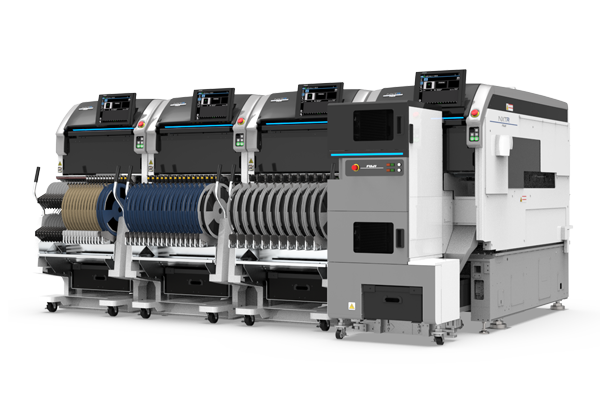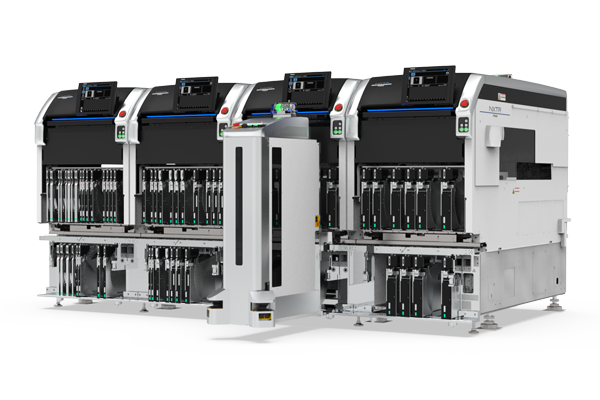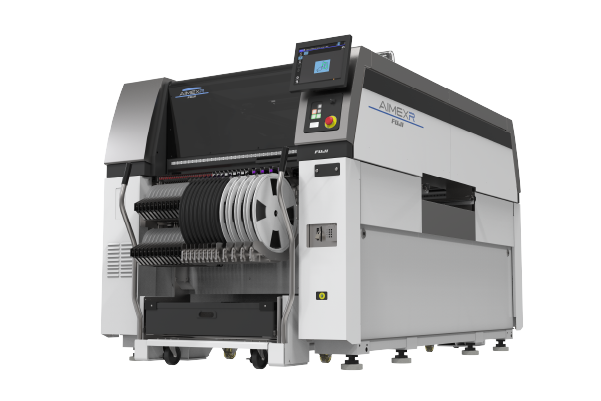
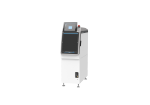






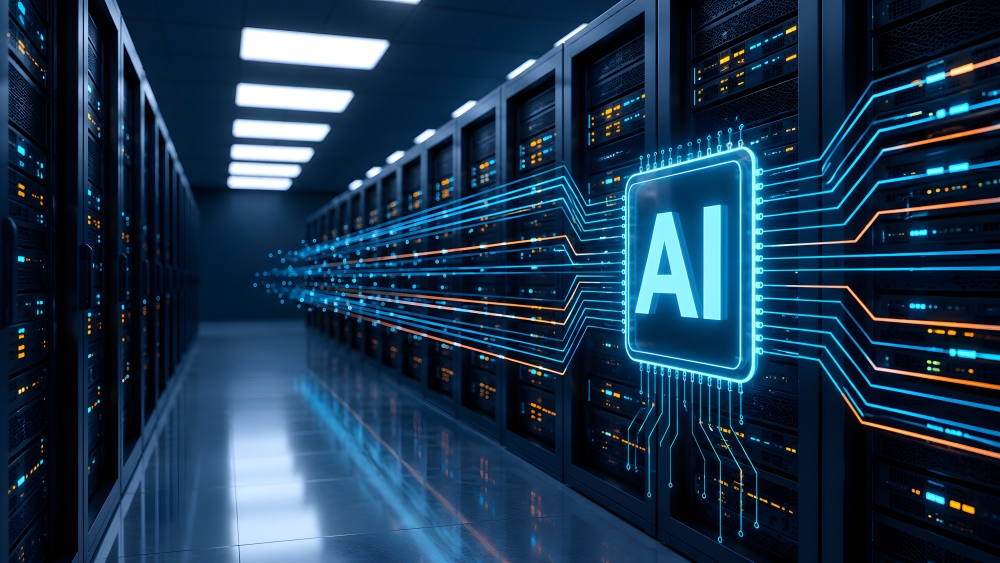
Fuji machines handle large, heavy parts measuring 200 x 200 mm and weighing 2.0 kg
Fuji has successfully placed a 1.3 kg part using its large, heavy component placement technology for AI servers. Testing has confirmed that large, heavy parts measuring up to 200 x 200 mm and weighing up to 2.0 kg cbe placed.
Press Release: Fuji Enables SMT Placement of Large, Heavy Components for AI ServersAmid rapid adoption of generative AI, the AI server market is experiencing significant growth. As a result, the utilization of high-performance devices such as GPUs and HBM is accelerating, leading to significant changes in panels and placed parts.
Technical standards required on the production site such as handling large panels, handling panel warping, placing large and heavy parts, and high density placement have become higher than ever before.
In this article, using AI servers as an example, we will explain how placement technologies are evolving, the background behind these changes, and the measures required in actual production sites.
1. Changes in placement technologies brought about by AI servers
The surging growth of the AI server market is driven by the increasing use of generative AI. While traditional servers were primarily CPU-based, configurations featuring multiple GPUs have now become the norm. Likewise, the adoption of high-performance parts such as HBM (High Bandwidth Memory) and high-speed interconnects is on the rise.
These have led to major changes to AI servers:
- Growing power consumption
- Increase in heat release value
- Larger part sizes
- Increasing quantities of parts
These changes have significant impact not only on the design of panels and placed parts, but also on production sites. Since even slight position deviations or variations in placement accuracy directly affect quality and yield, there is an increasing demand for more stable conveyance, high accuracy placement, and robust quality assurance.
AI servers is a sector within the electronics industry where the demands on placement technology are particularly high, making it an important indicator of future trends in placement technology.
Evolution of AI servers and its impact on placement technologies
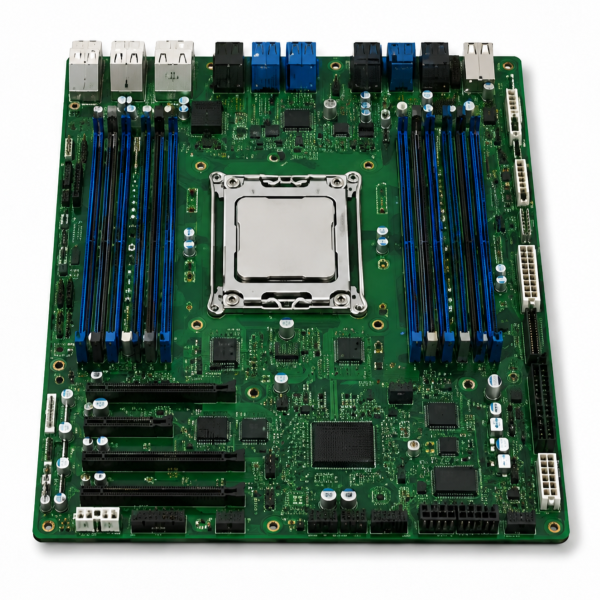
CPU-centric server
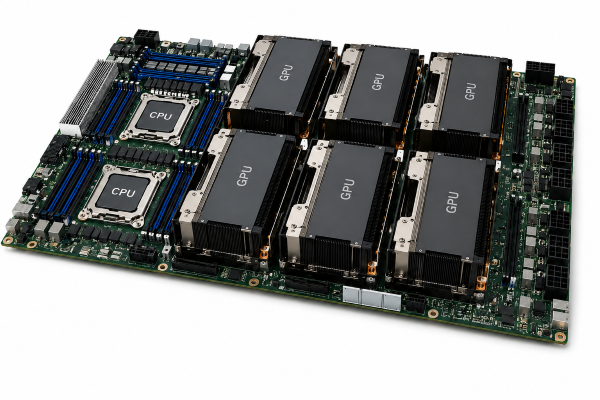
Improves parallel AI processing
performance with multiple GPUs on a board
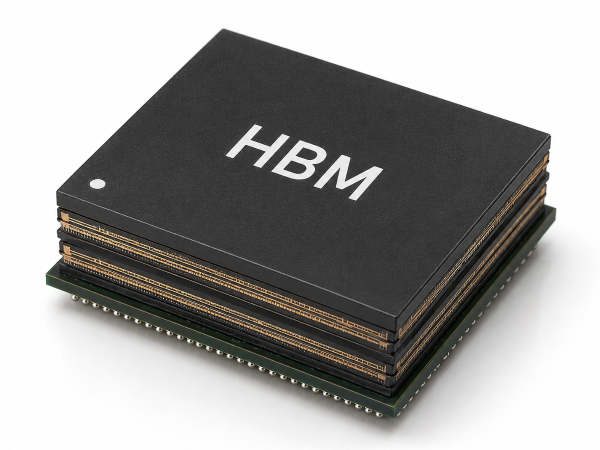
HBM (High Bandwidth Memory)
High-capacity, high-bandwidth memory
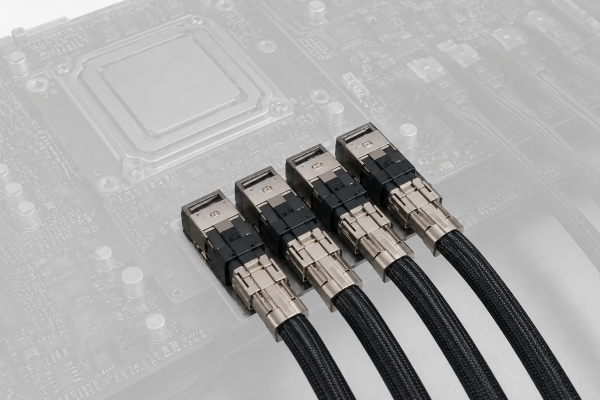
HBM (High Bandwidth Memory)
High-capacity, high-bandwidth memory
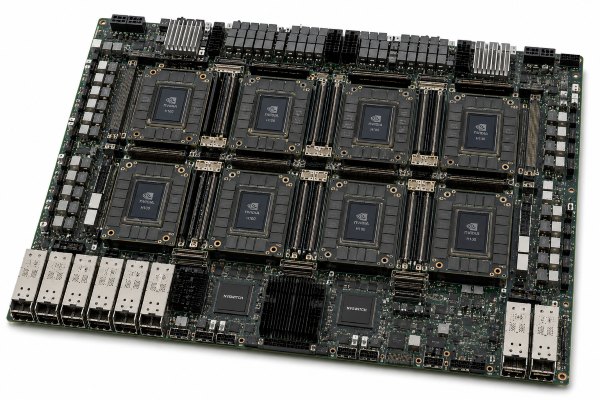
Toward even higher performance through high-density
integration of GPUs, HBM, and high-speed interconnects


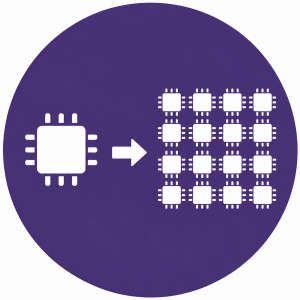
As parts and boards become larger and more density, and the use of expensive parts increases,
"stable transport" "accurate placement" and "high placement quality" are required more than ever
2. The evolution of server boards
In addition to GPUs and HBM, the CPUs, power supply circuits, and cooling systems that support them are also becoming more high-performance in Ai servers. As a result, the configuration of AI server boards has changed significantly compared to conventional server boards.
For example, GPU modules and CPU sockets are becoming larger as processing performance improves. The peripheral circuits responsible for power management and signal processing have also become more complex, and the number of small chip parts such as capacitors and resistors has increased. High density placement which involves placing more parts within a limited panel space is becoming increasingly common.
As the number of parts increases, boards are becoming larger, more multilayered, and heavier. While panel sizes that could previously be supported by the standard specifications of general-purpose placement equipment are now increasingly exceeding those standard specifications.
We are seeing a simultaneous trend toward "an increase in large and heavy parts", "advances in high density placement", and "larger and heavier panels” for AI server boards.
Production sites now require a higher level of expertise than ever before due to these changes in board design.
Evolution of AI server boards (comparison with conventional servers)
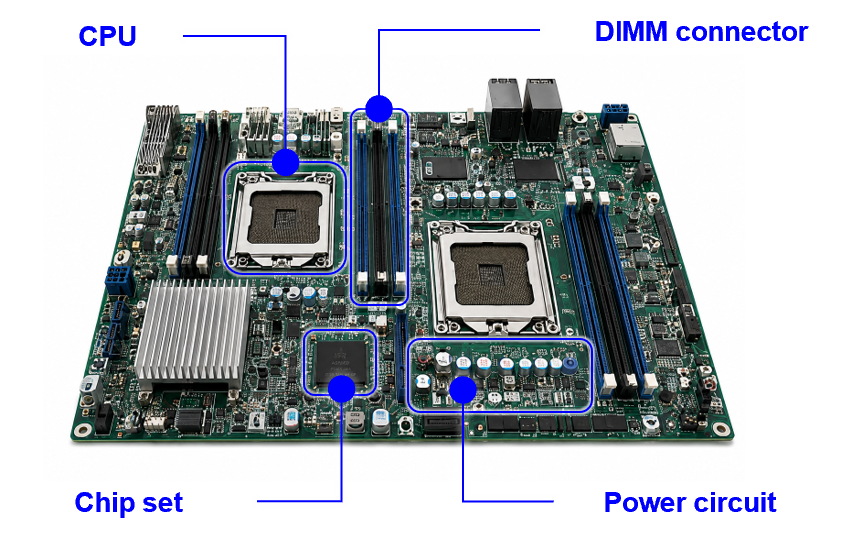
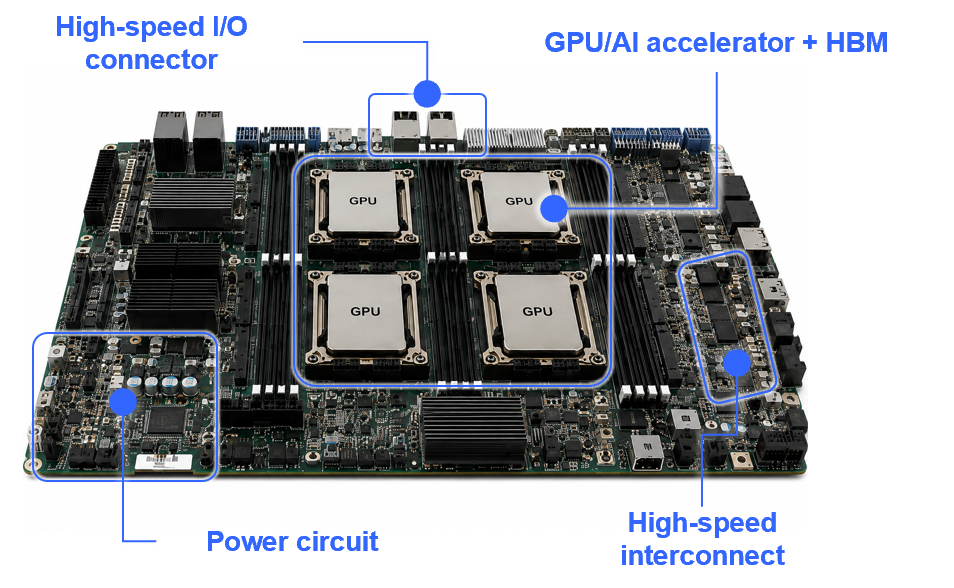
For AI server boards, trends toward "an increase in large and heavy parts", "advances in high density placement", and "larger and heavier boards" are occurring simultaneously
3. Changes in placement technologies across the entire electronics industry
The changes in placement technologies evident in AI servers are influencing the entire electronics industry.
With advances in electrification and the use of AI, panels and the parts placed on them are becoming larger and more densely packed across various industries. Challenges such as supporting large panels, handling panel warpage, placing large and heavy parts, and achieving high density placement have become common for the entire panel placement industry.
Larger GPUs and HBM
Larger and more densely populated boards
Larger inverters and ECUs
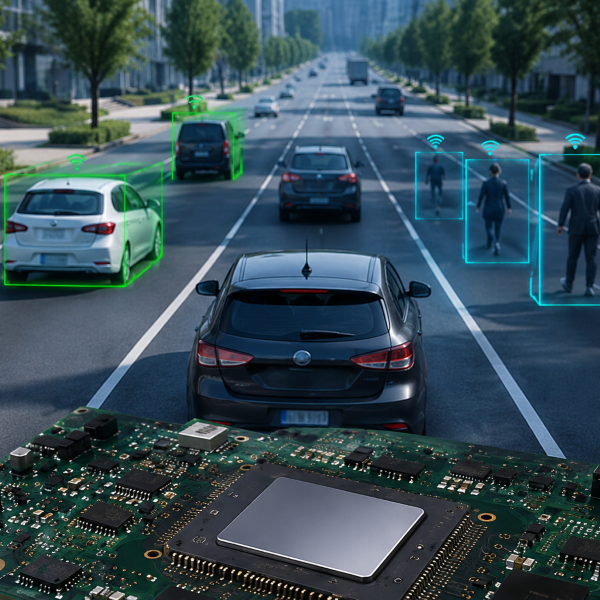
Higher output and higher integration
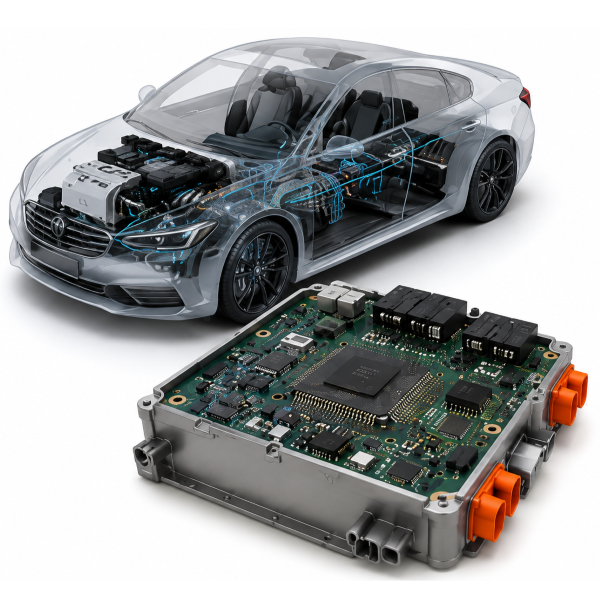
Larger parts, such as high-performance
image recognition processors
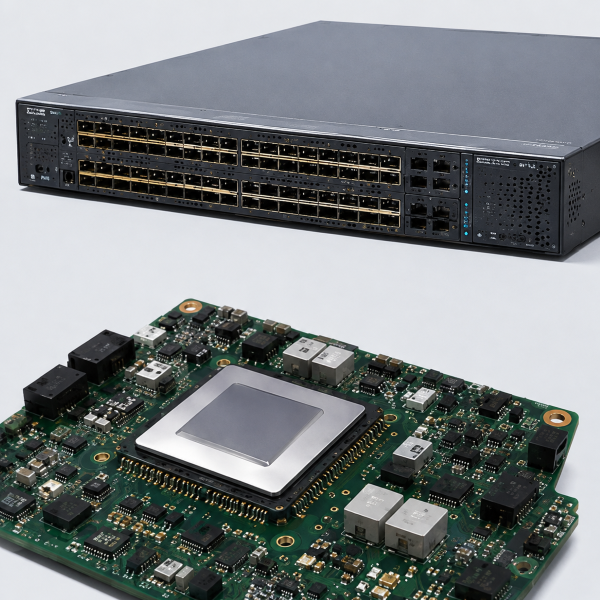
Adoption of large ASICs for
800G networking equipment
Larger SoCs and FPGAs driven by the widespread
adoption of AI control and high-speed image processing
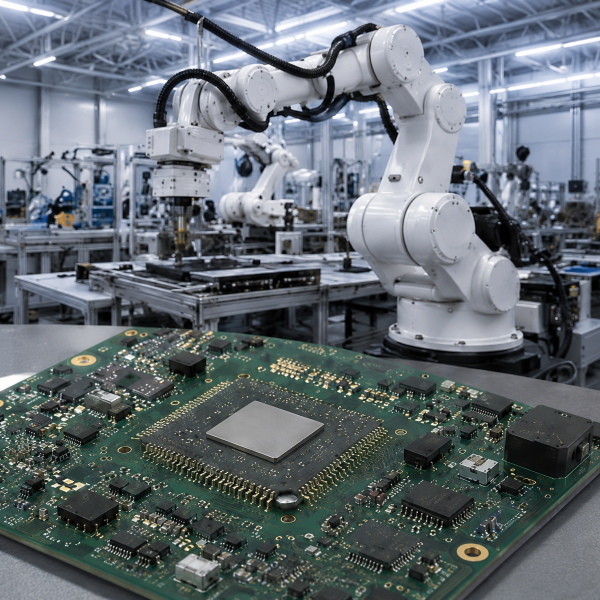
"Supporting large panels" "handling panel warpage" "placing large and heavy parts" and "achieving high density placement" are common challenges for the entire panel placement industry
4. Changes and challenges in production sites
In high-performance electronic devices including AI servers, automotive equipment, and communication equipment, changes in panels and placed parts are driving the need for more sophisticated approaches throughout the entire placement process. In particular, the following challenges have come to light, ranging from conveyance to placing parts and quality assurance.
- Stable conveyance and placement are difficult with large panels
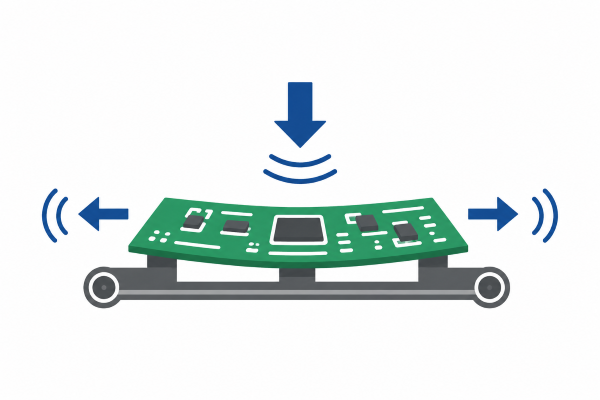
As the number of parts increases, AI server boards are becoming larger, more multi-layered, and heavier. Large panels are susceptible to deflection caused by their own weight and to impacts from vibrations during conveyance, making it difficult to convey the entire panel in a stable condition. As the size of the panel increases, it becomes more prone to position deviations caused by warping or deformation, which may affect placement quality.
- High placement accuracy is required for large and heavy parts.
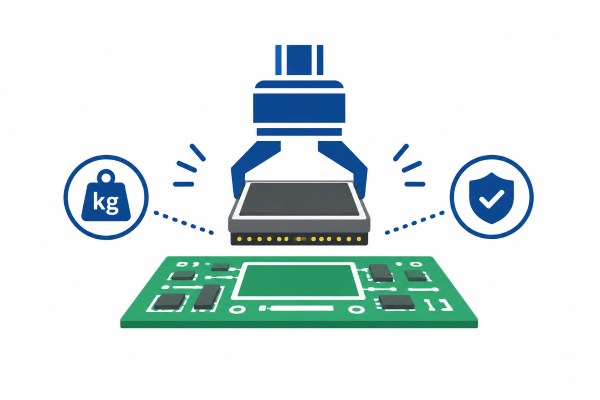
Large, heavy parts such as GPU modules and CPU sockets differ significantly from typical electronic parts in terms of shape, weight, and center of gravity. Changes in orientation and position deviations are likely to occur during pickup and transport, making it difficult to maintain consistent placement quality. Going forward, there will be a need to support larger and heavier parts, such as AI semiconductor packages and parts related to Co-Packaged Optics (CPO).
- Flexibility is required to support a wide variety of parts
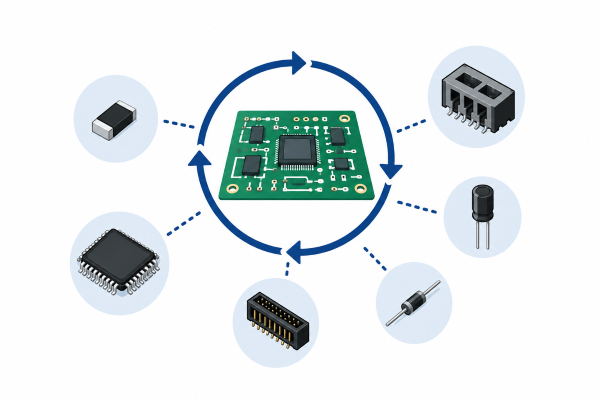
AI server boards contain a mix of parts with varying shapes, heights, and weights, including GPU modules, CPU sockets, DIMM connectors, large connectors, and shield parts. Since the optimal pickup method and placement conditions vary by part, a placement technology capable of flexibly supporting a wide variety of parts is required.
- For expensive parts, in-process quality assurance is critical.
Expensive parts, such as GPU modules and CPU sockets, result in significant losses if they fail, and rework or part replacement requires a great deal of time and money. In addition, when large parts or shield parts are placed, it may be difficult to verify the joint condition in the next stage. For this reason, it is important to implement quality assurance measures, not only through inspection but also by verifying and recording the placement status during the placement process to prevent defects from occurring or being passed on.
Changes and challenges in production sites
panels is difficult
parts is difficult
support a wide variety of parts
is critical
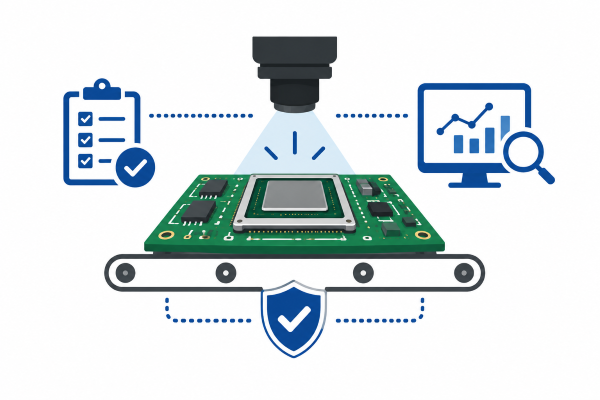
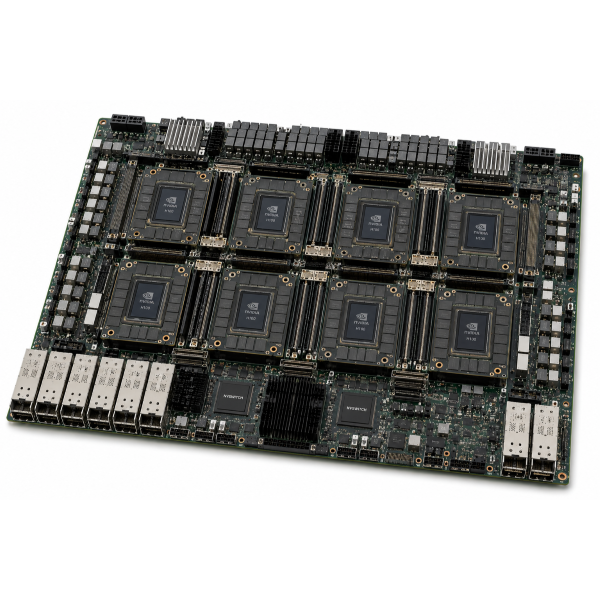
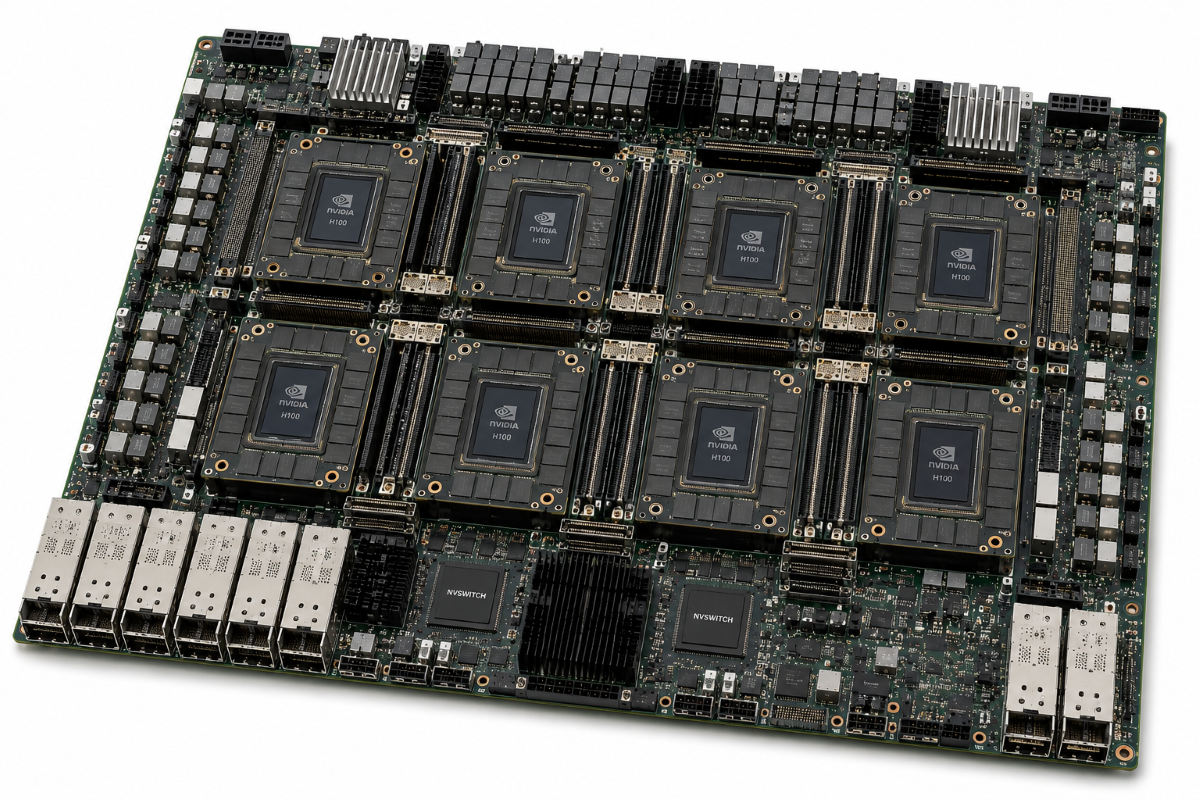
AI server board (image)
5. Requirements for next-generation placement machines
To address the challenges introduced in the previous section, it is no longer sufficient to simply be able to place parts accurately, as was the case in the past. The production of high-performance electronic devices such as AI servers requires a high degree of adaptability throughout the entire placement process, from conveyance to placing parts and quality assurance.
Four requirements are particularly important for future placement machines:
1. Stable conveyance of large panels
For large panels, it is important to convey the entire panel stablywhile minimizing deflection caused by its own weight and vibration during conveyance. In addition, it is necessary to have a conveyance capacity capable of handling panels that will become even larger in the future and a mechanism that can maintain high position.
2. Reliable handling of large and heavy parts
For large and heavy parts, it is important to ensure stable transport and placement of the parts while minimizing changes in the orientation and position deviations. In addition, scalability to flexibly support parts that will become even larger and heavier in the future is required.
3. Flexible support for a wide range of parts
AI server boards contain a mix of various parts, ranging from chip parts to large connectors and CPU sockets. Flexibility is required to select the optimal conditions for pickup, recognition, and placement based on the shape, height, and weight of each part.
4. Quality assurance within the production process
For expensive parts, it is important to detect errors during the placement process and to verify and record their placement status, rather than discovering defective parts in a later process.. It is more important than ever to establish a system that builds quality into the production process instead of relying solely on inspections.
As such, next-generation placement machines must be capable of handling large panels and large and heavy parts, while flexibly supporting a wide variety of parts, and delivering superior quality assurance throughout the production process.
Fuji offers various solutions to address these requirements.
6. Fuji's placement solutions for large panels and large, heavy parts
For high-performance electronic devices such as AI servers, high-level capabilities are required throughout the entire placement process, from handling large panels and large, heavy parts, to high accuracy placement and in-process quality assurance.
Fuji offers five placement solutions to address these challenges that provide comprehensive support for everything from conveyance to placing parts and quality assurance.
1. Stable large panel conveyance
- Conveyance mechanisms that can support large panels with ease
Panels up to 13 kg can be conveyed
- Maintains high placement accuracy with a new calibration function
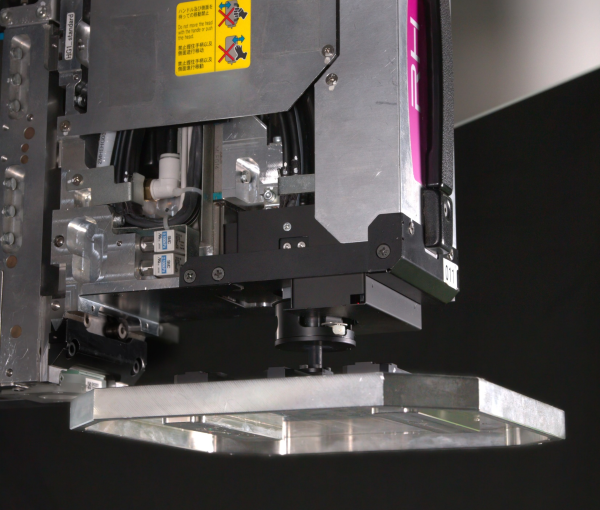
2. Stable placement for large, heavy parts
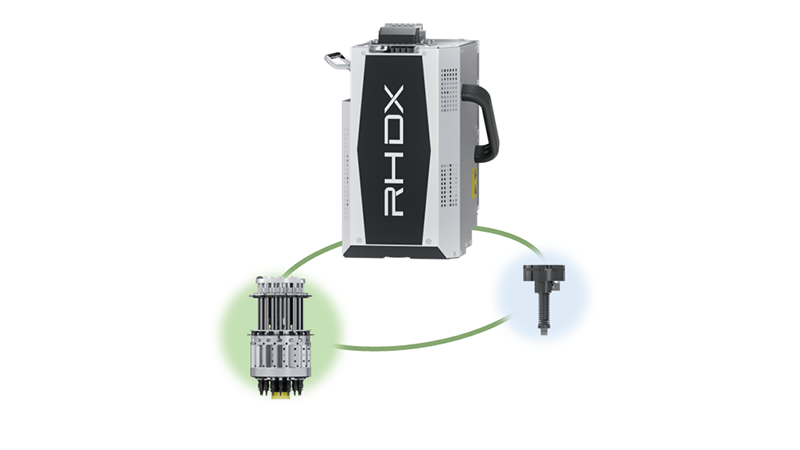
- A dedicated unit that supports large, heavy parts
- Achieves stable handling and high quality placements
Press Release: Fuji Enables SMT Placement of Large, Heavy Components for AI Servers
3. High accuracy placement even on warped panels
- Optimally control the placement height and load for each part
- Reduces the impact on quality due to panel warpage
Solutions for quality issues in the era of high density placement | Introducing placement height adjustment
4. Flexible support for a wide range of parts
- Accurate image recognition of part shapes and the tips of insertion pins
- Support for different placement heights, transport conditions, and placement loads for each part
5. Quality assurance within the production process
- Prevent parts with incorrect shapes using a 3D coplanarity unit and parts with incorrect electrical properties using LCR checks from being used
- Traceability management based on records of placement load
Preventing incorrect parts from being placed - LCR check
New calibration for stable conveyance
of large and heavy panels
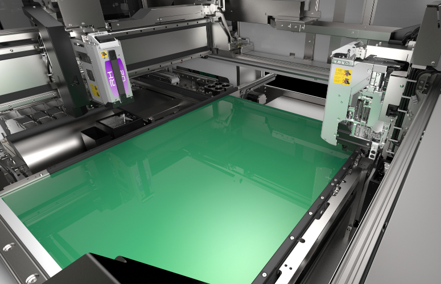
Stable handling
Supply units for large parts
even on warped panels
Recognizes the panel warpage condition
Releases the part after detecting contact between the part and panel
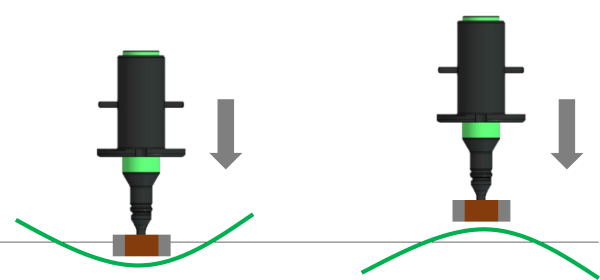
Always placing parts with the appropriate load
a wide variety of parts
Accurately recognizes the tip of the insertion pin
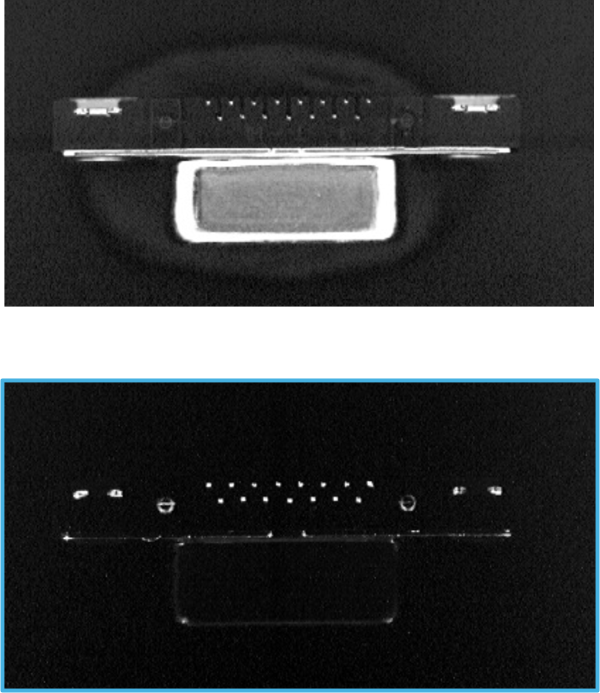
Prevents parts with incorrect shapes using a 3D coplanarity unit and parts with incorrect electrical properties using LCR checks from being used
Placement load traceability
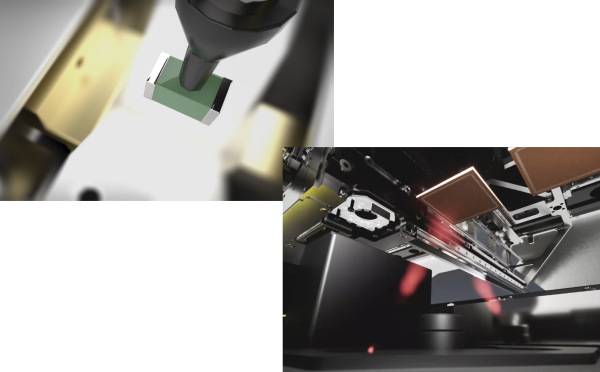
As the AI server market expands, placement machines are now required not only to place parts but also to achieve exceptional placement quality and productivity.
Fuji combines stable conveyance of large panels, support for large, heavy parts, high accuracy placement control, flexible support for a wide variety of parts, and in-process quality assurance. Together, these capabilities support placement for next-generation electronic devices, including AI servers, automotive equipment, communications equipment, and industrial equipment.
7. Summary
As the AI server market expands, production sites are facing demands for more advanced placement technologies than ever before. These demands consist of support for large panels, measures to handle panel warpage, handling of large, heavy parts, support for a wide variety of parts, and in-process quality assurance.
These changes are not limited to AI servers. They are spreading to high-performance electronic devices across the board, including automotive equipment, communications equipment, and industrial equipment. In the future, placement machines must not only address current production challenges but be able to flexibly adapt to future advancements in panels and parts.