








Solutions for quality issues in the era of high-density placement | Introducing placement height adjustment
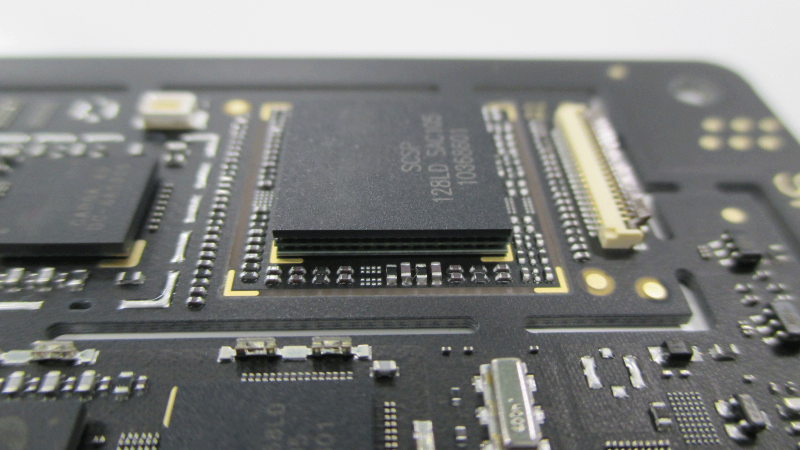
As the performance of electronic devices from IoT devices and AI servers to communication infrastructure and automotive electronic equipment improves, panels are required to be smaller and denser than ever before.
In addition, as efforts to reduce power consumption and achieve carbon neutrality continue to advance, there is a growing need for reduced wiring and space saving even for high-performance panels.
Along with this, panels are becoming increasingly multilayered and thinner, and it is important to address issues such as warpage and deflection.
As a result, the following issues are emerging in the production sites.
Quality issues emerging in the production sites
Solder bridges between adjacent parts
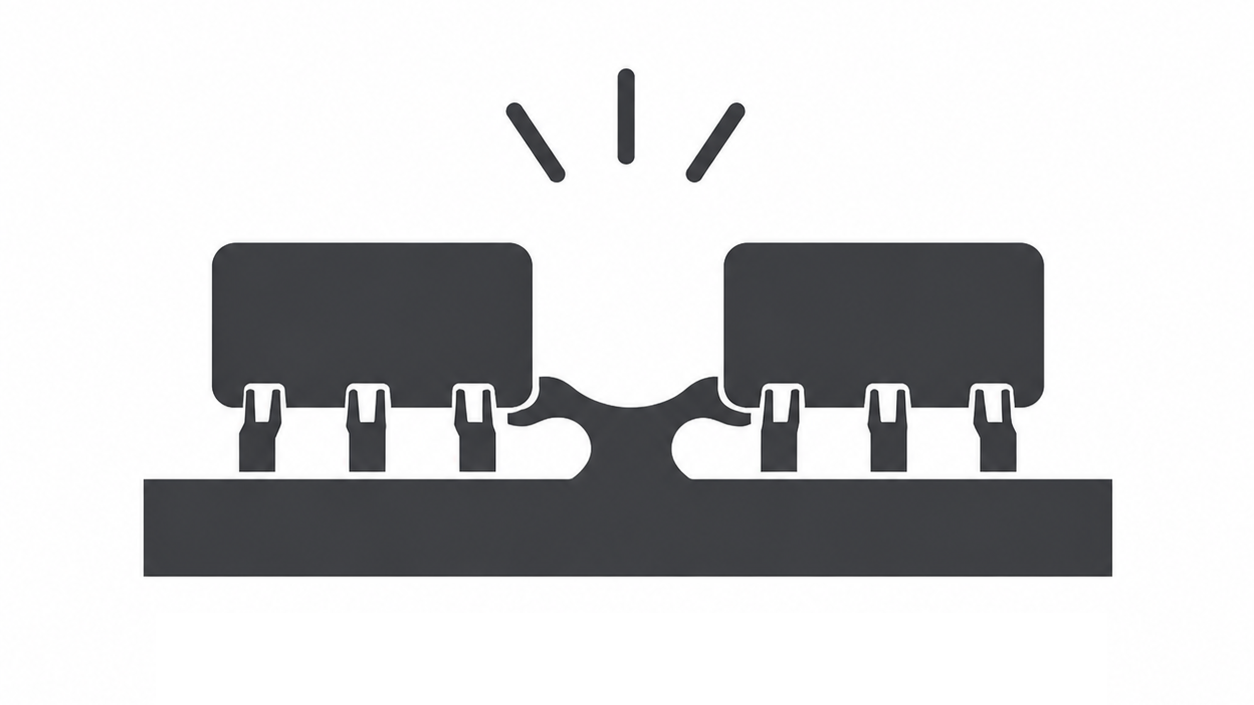
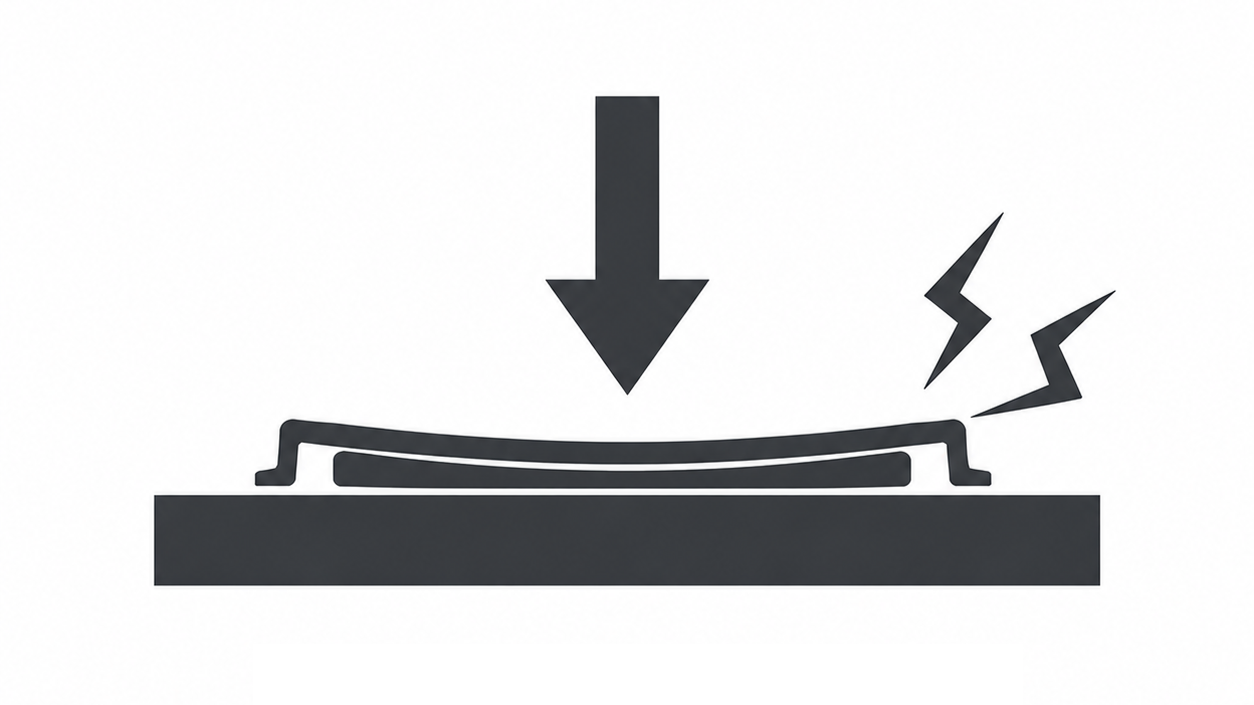
Part breakage due to excessive load on thin parts
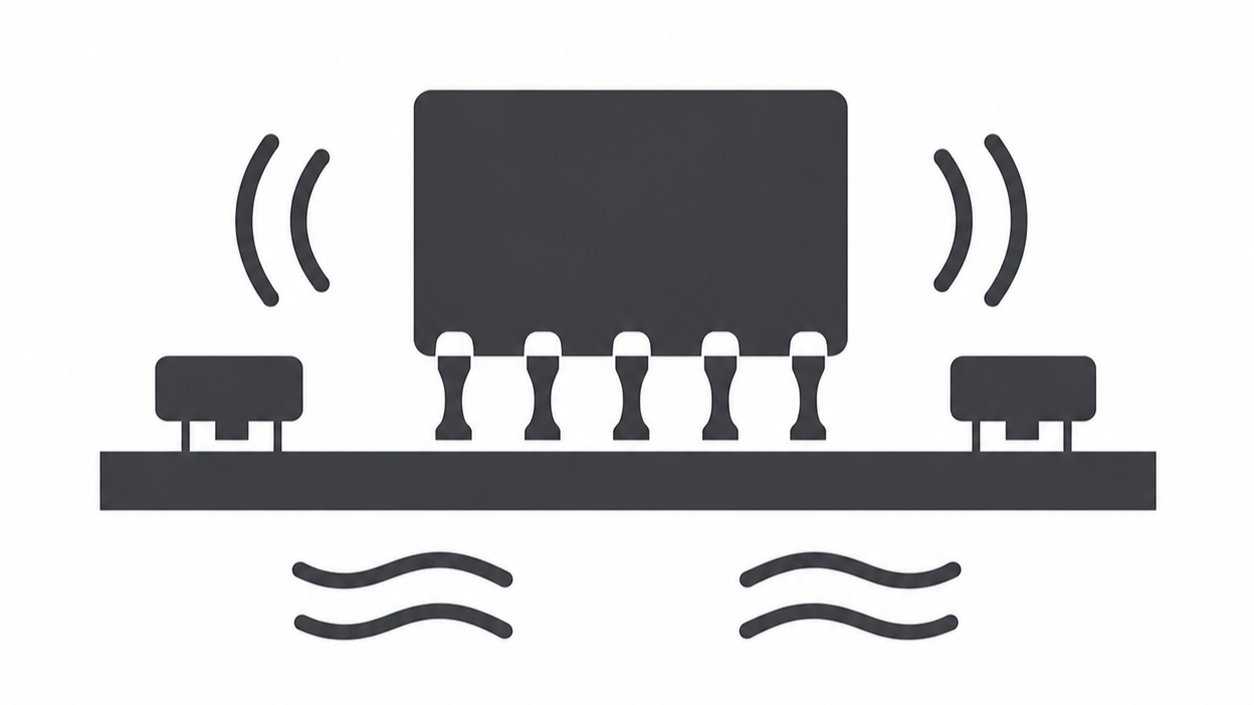
Effects on peripheral parts due to panel vibration when placing parts
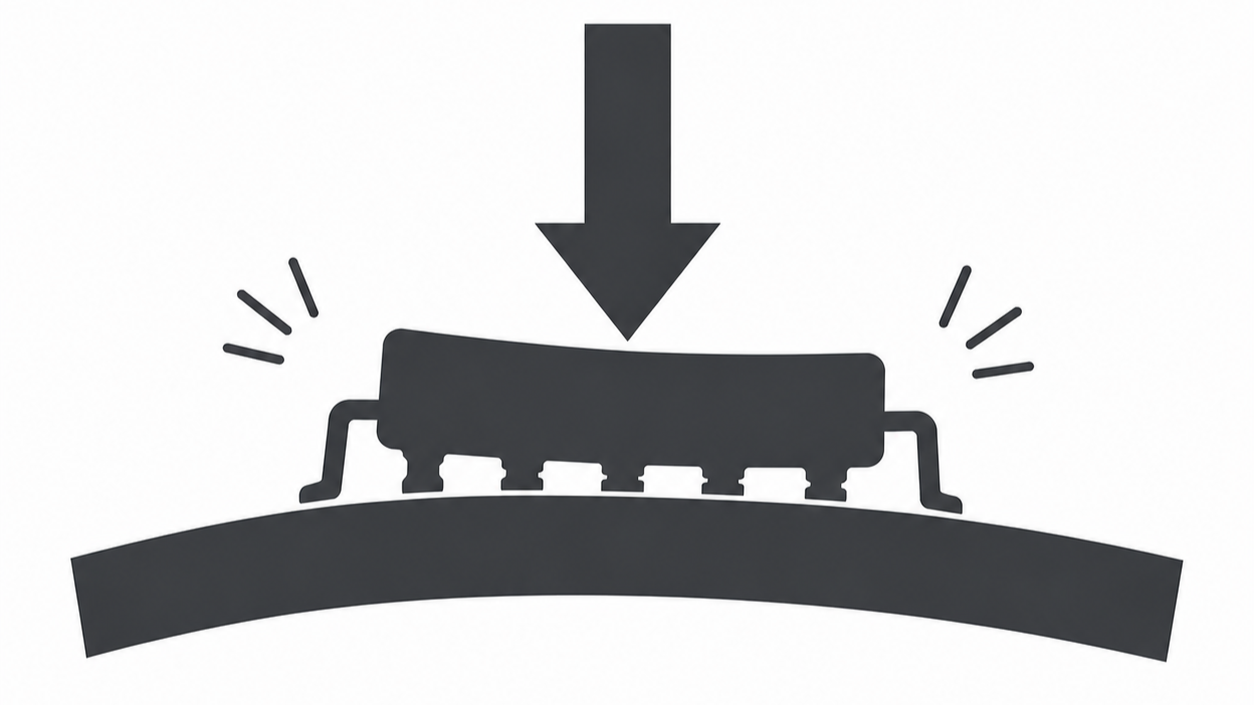
Placement defects due to panel warpage
For high-density placement, it is necessary not only to "place parts correctly," but also to maintain high placement quality while following the condition of the panel more than ever before.
As electronic devices become denser, parts are getting smaller and pitches are becoming narrower, and panels are also becoming more multilayered and larger.
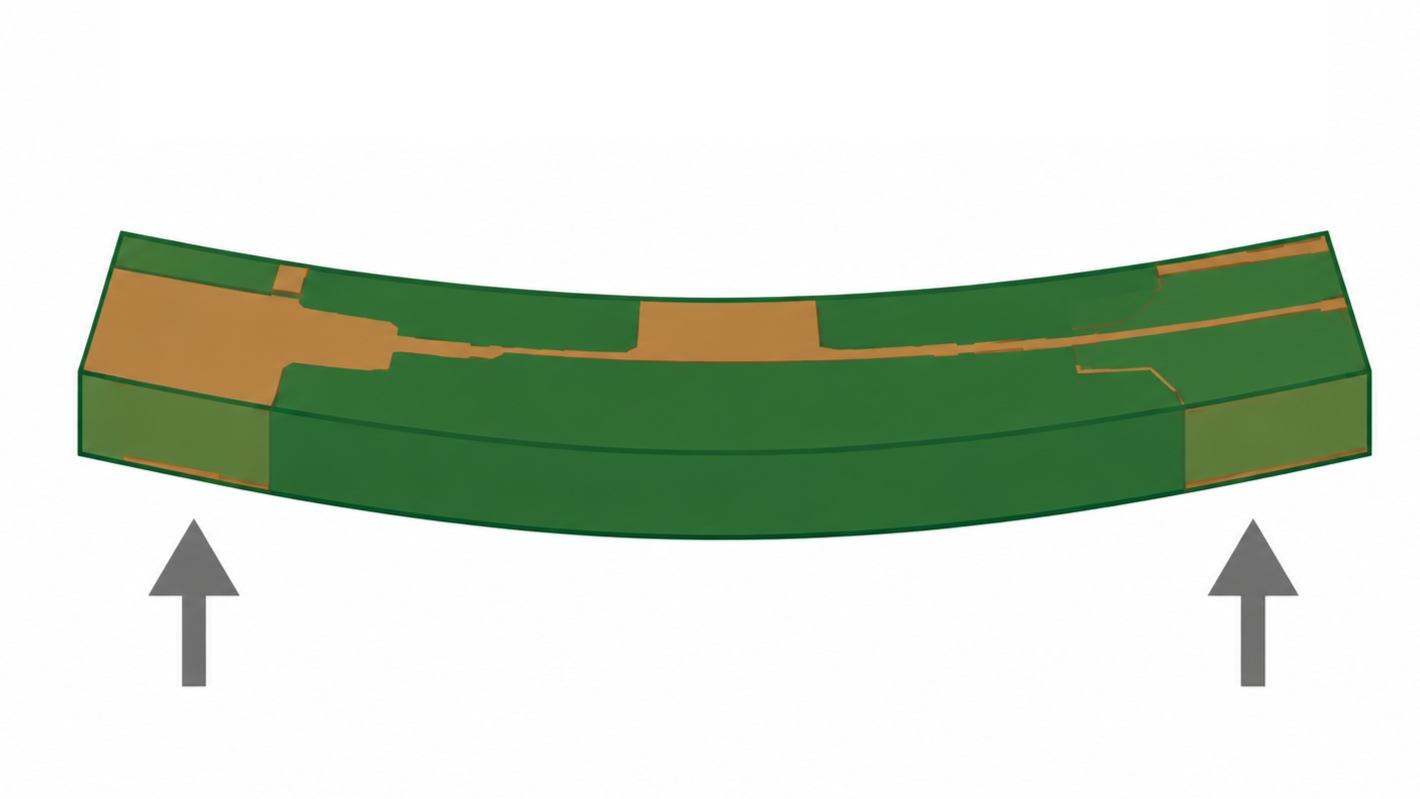
Especially in multilayer panels and large panels, warpage is more likely to occur due to the effects of the panel structure and copper balance.
Warpage due to multilayering
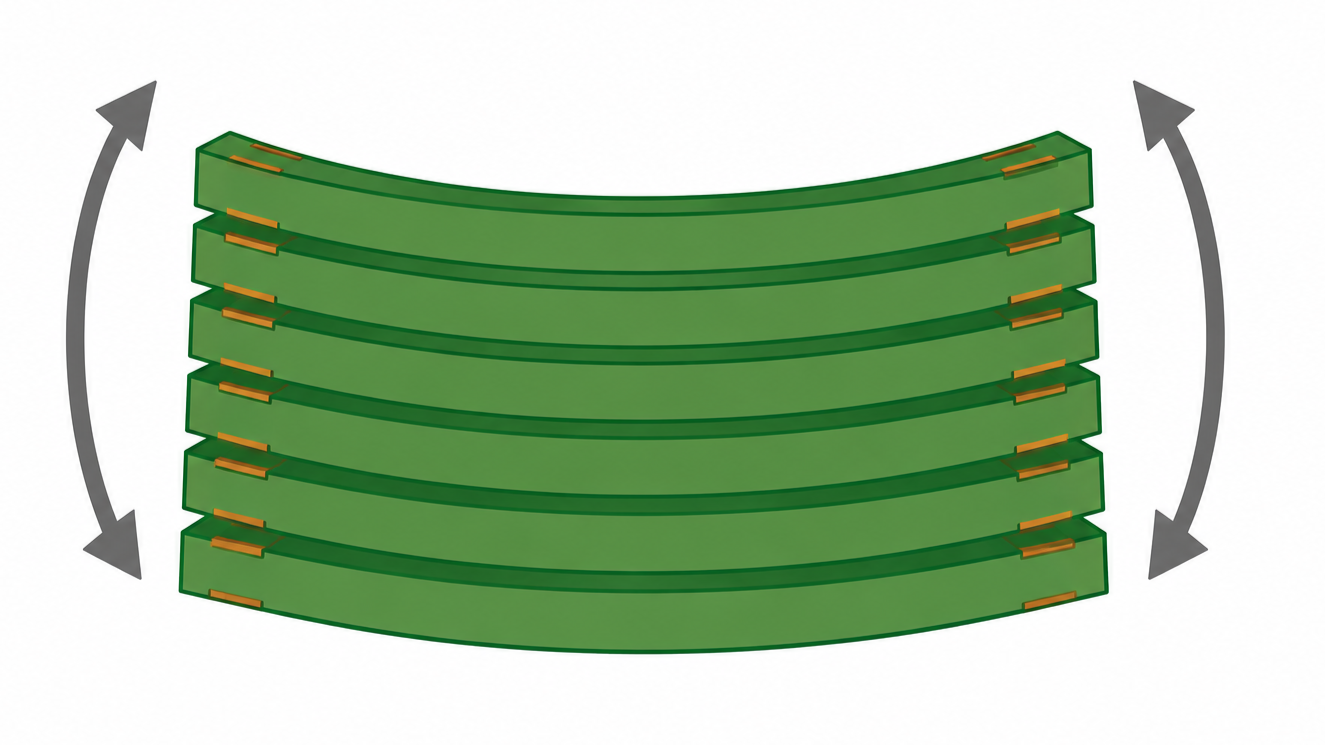
Warpage due to increased panel size
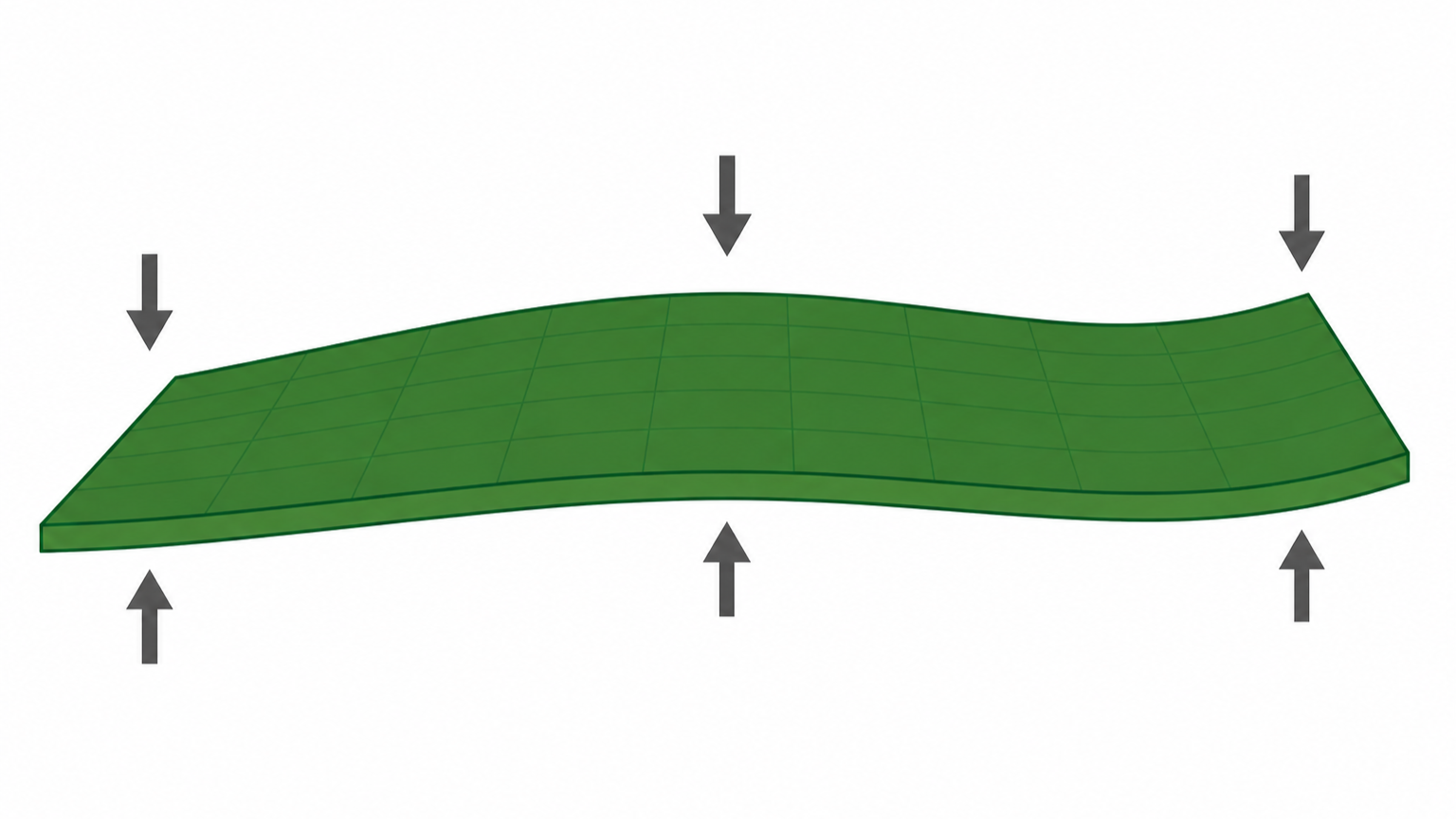
Warpage due to copper balance
To address these issues, one solution that appropriately detects and controls the contact state between parts and panel is "placement height adjustment".
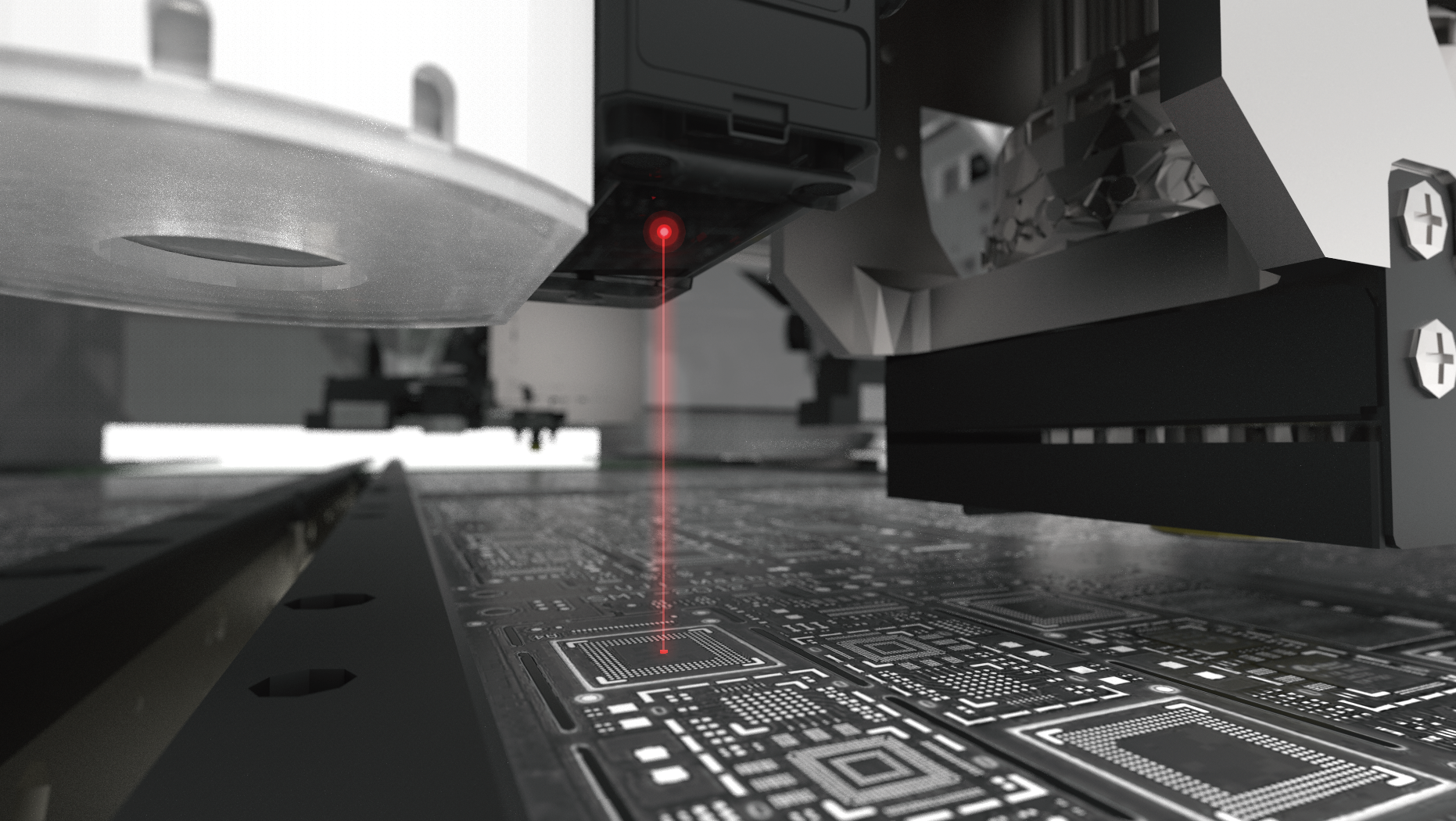
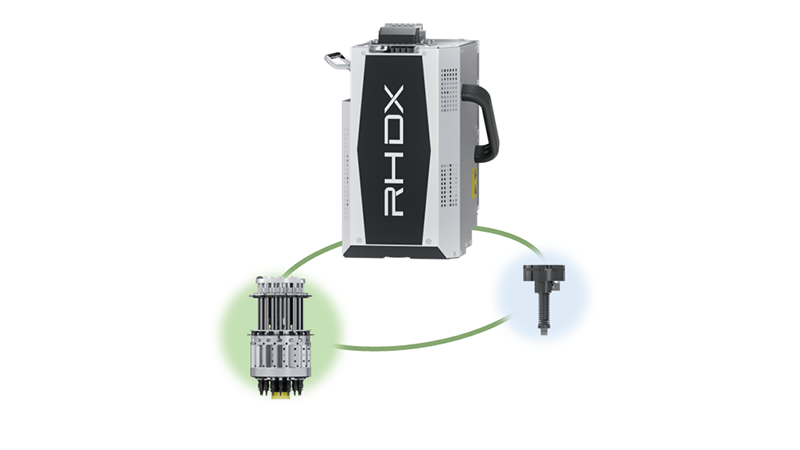
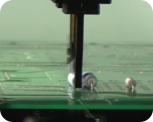
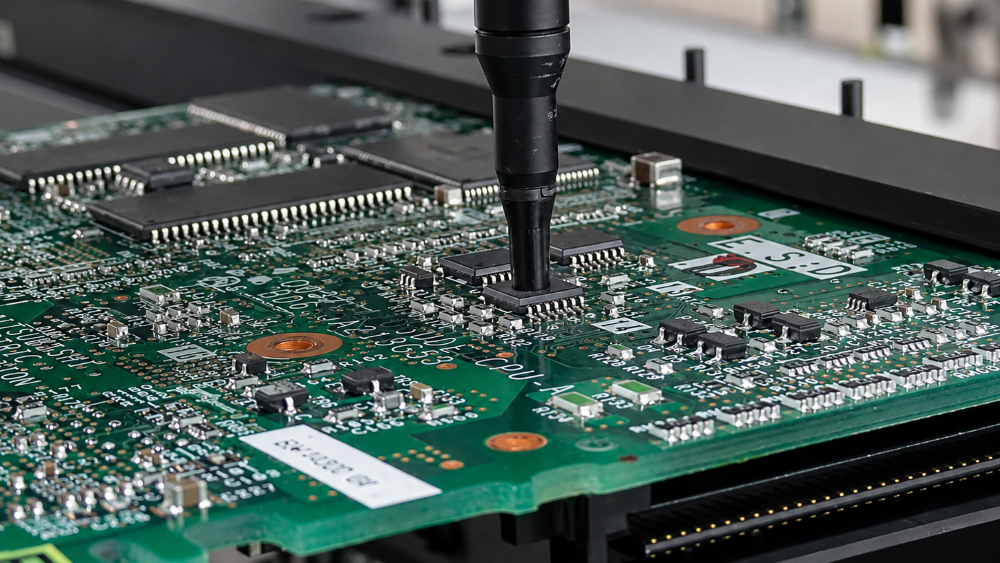
Placement height adjustment is a function that accurately detects the moment when the part contacts the panel using contact detection sensors installed on the placement head.
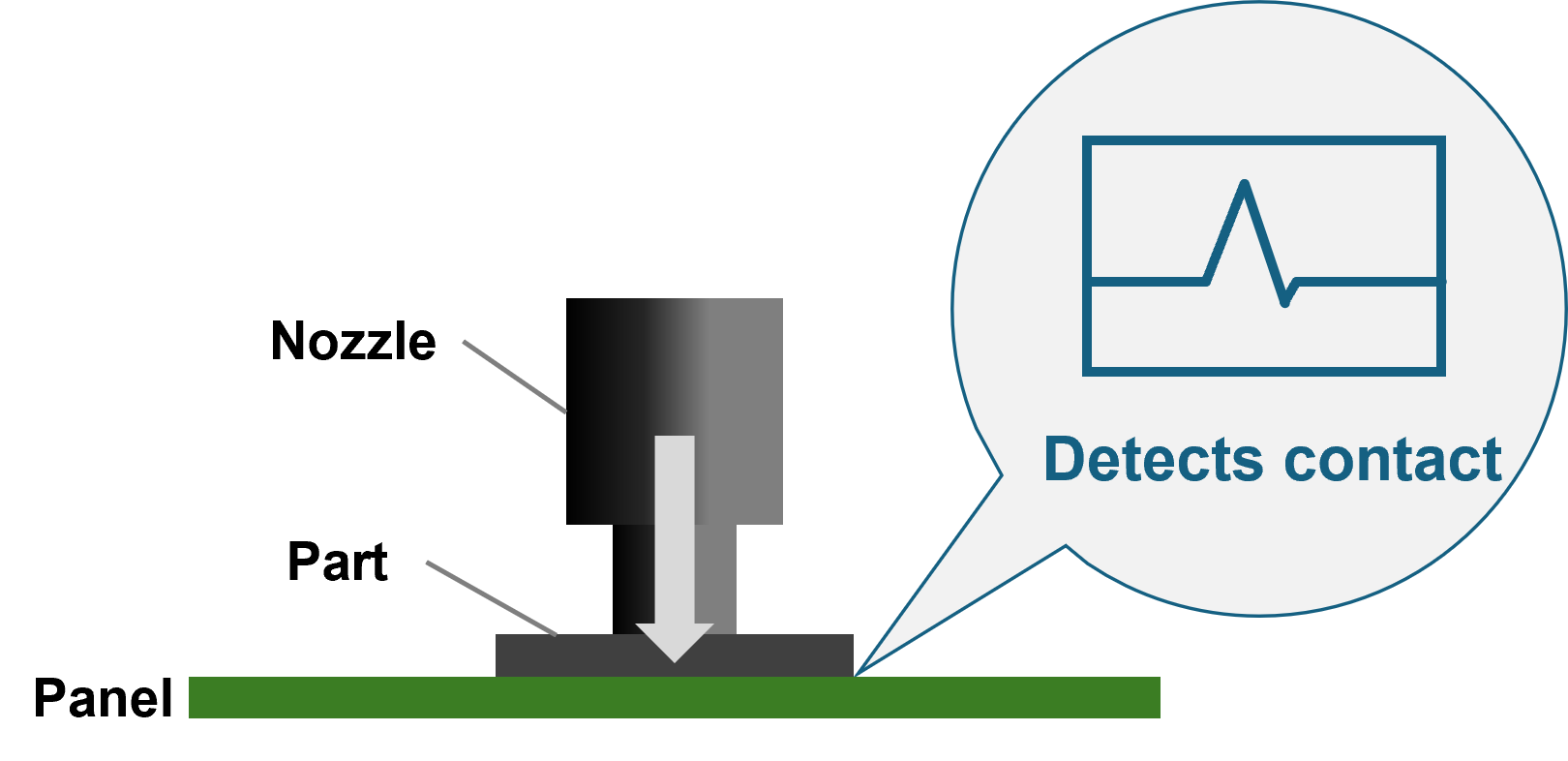
This prevents the part from being pushed in more than necessary and enables optimal placement according to the panel condition.
In addition, placement height adjustment also supports load traceability because it can acquire load data during placement.
By visualizing the load conditions during placement, they can be used for quality control such as the following.
- Recording and managing placement loads
- Analyzing causes when quality errors occur
- Managing traceability of placement conditions
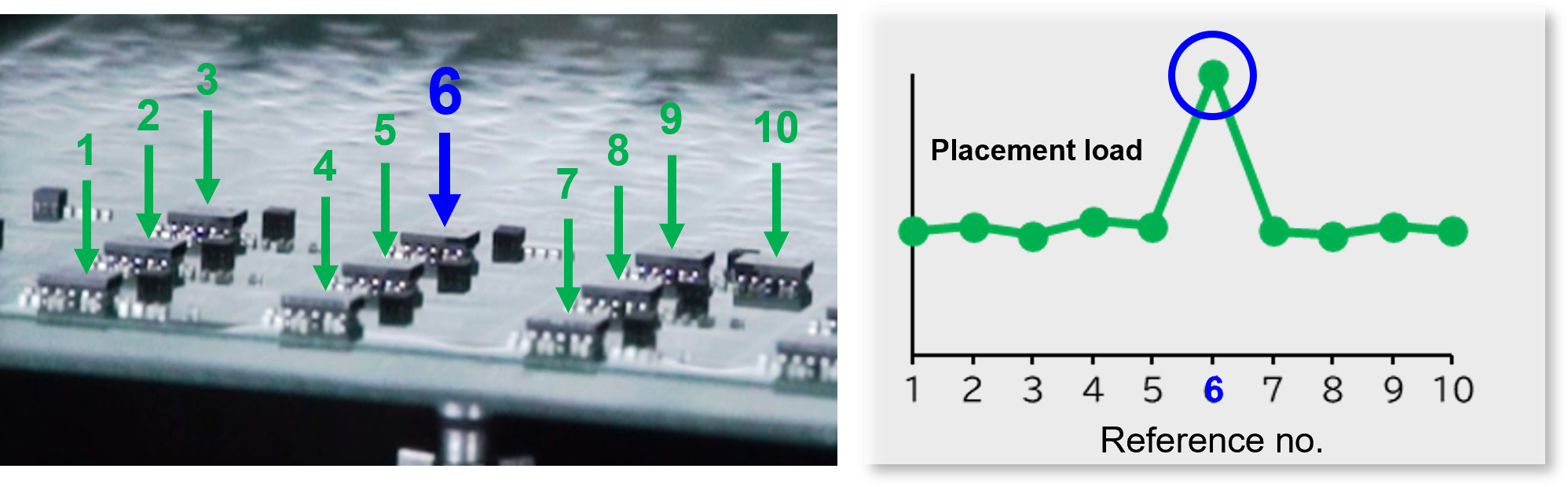
Recording placement load history
For thin parts that require low impact placement, stress caused by excessive push-in can lead to quality degradation.
Placement height adjustment detects when the part contacts the panel and suppresses excessive push-in, enabling the following.
- Reduction of impact on parts
- Prevention of solder flattening
- Stabilization of very small part placement
It is particularly effective under conditions where the push-in amount tends to vary due to factors such as panel warpage.
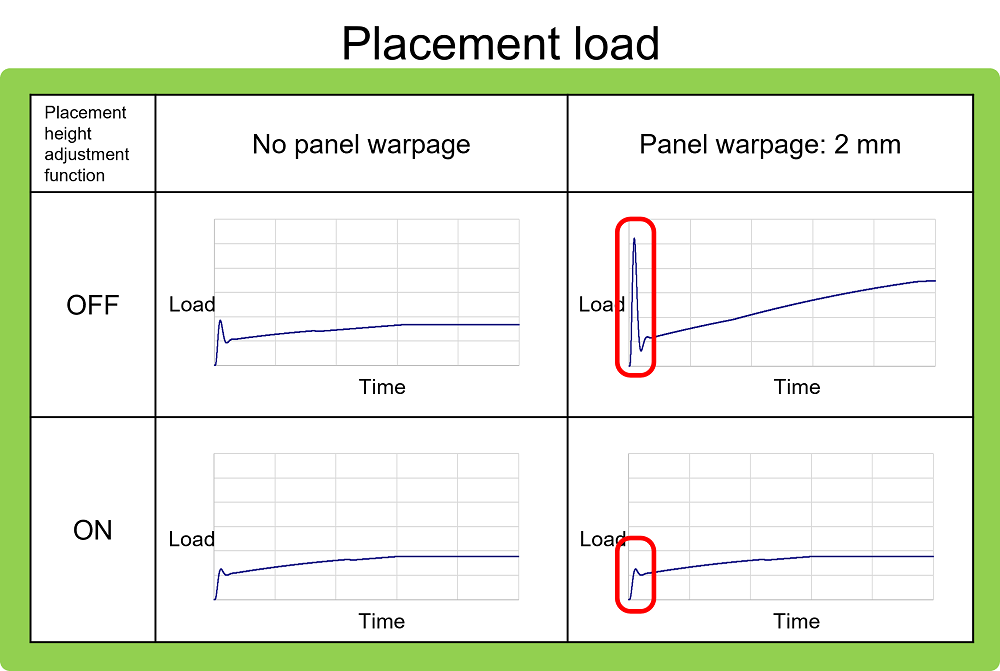
For thin panels and low-rigidity panels, panel vibration may occur due to the load applied during placement.
Due to this vibration, surrounding parts that have been placed may shift slightly, and stably placing subsequent parts may become difficult because of temporary variations in panel height.
Placement height adjustment reduces panel vibration by suppressing unnecessary pushing-in and contributes to maintaining stable placement quality.
On downward warped panels, parts may be released before reaching the panel, resulting in missing or scattered parts.
With placement height adjustment, parts are released after confirming that parts have actually contacted the panel. Therefore, it is effective in reducing defects as the following.
- Prevention of scattering
- Reduction of missing parts
- Stabilization of placement

Support for maintaining stable placement quality
As electronic devices become smaller and more advanced, high-density placement is expected to continue advancing in the future.
Because of this, addressing issues for the following items becomes more important than ever.
- Very small parts
- Fine pitch placement
- Thin panels
- Warped panels
Placement height adjustment achieves stable placement quality for high-density placements through appropriate placement control according to panel conditions.
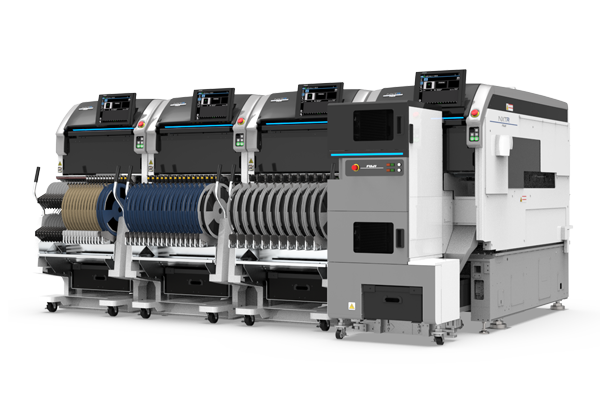
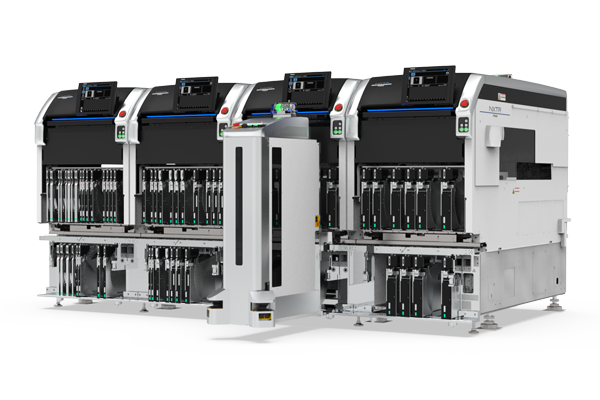
Applicable machines: NXTR A model, NXTR S model
Applicable heads: RH20, RH08, RH02, RH01
For those considering quality improvements for high-density placement
In addition to placement height adjustment introduced here, Fuji offers a variety of other solutions that improve placement quality.
For any concerns regarding high-density placement or quality improvement, please feel free to contact us.