





What is SMT (Surface Mount Technology)?

SMT (Surface Mount Technology) is a fundamental technology for electronic devices that underpins our digital society
Smartphones, computers, automobiles, home appliances, and communication devices
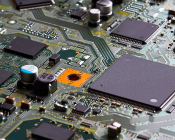
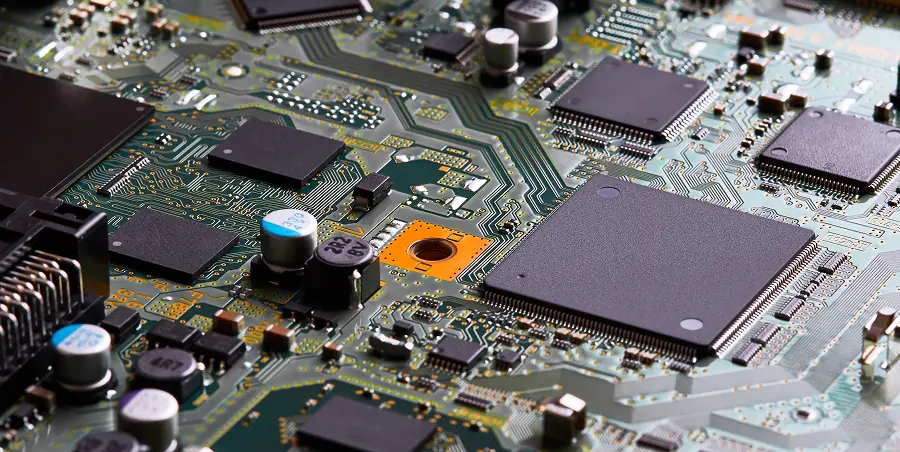
Most electronic devices that support our daily lives contain "printed circuit boards" with hundreds to thousands of electronic components mounted on them. The technology used to place these components on printed circuit boards is called SMT (Surface Mount Technology).
SMT is a technology that places electronic components directly onto the surface of a printed circuit board, enabling the miniaturization, high performance, and mass production of electronic devices.
Today's digital society is supported by this technology.


SMT is used in all kinds of electronic devices in our daily lives

Smartphones

Smart
watches

Computers

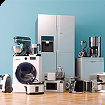
Home appliances

Automotive

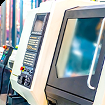
Industrial machines

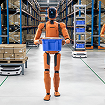
Humanoid robots

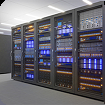
Servers and
base stations

SMT (Surface Mount Technology) processes

STEP1

Solder paste printing process

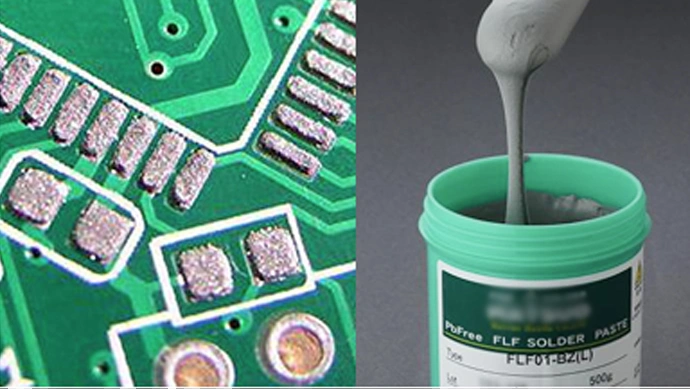
This is the process in which solder paste is applied onto panels (printed circuit boards).

Solder paste is a mixture of fine solder particles and flux—a chemical agent that improves the flowability of the solder paste—and is used to bond electronic parts to panels (printed circuit boards).
A metal plate called a stencil is used when printing solder paste. These stencils feature apertures (through-holes) that correspond to the positions of the pads for electronic parts on the panel. By accurately aligning the apertures on the stencil with the pad locations on the panel and forcing the solder paste through the apertures, solder paste is transferred to the required locations on the panel, in order to attach electronic parts.

STEP2

Placement process

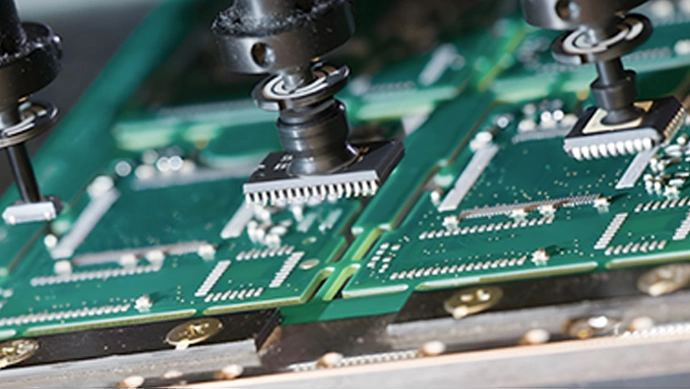
Electronic parts are placed (set) on panels with high-speed and accuracy.

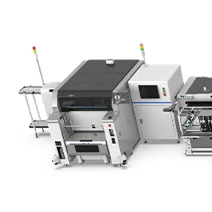
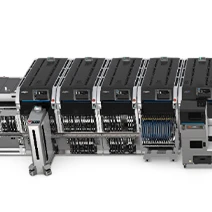
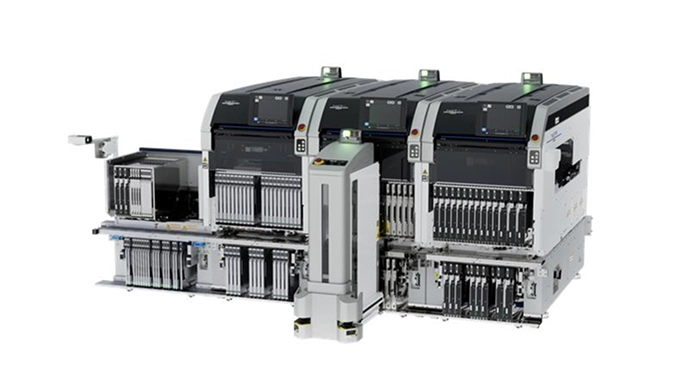
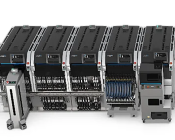
Most electronic parts used in electronic devices are extremely small, and placing them in the exact correct position requires high accuracy. Electronic component pick and place machines (sometimes called mounters) perform this task by using recognition technologies such as cameras to check the position and orientation of the parts, placing them at the specified locations on the panel with high speed and accuracy.

FUJI holds a world top class market share in electronic component pick and place machines!

FUJI holds a high global market share in the field of electronic component pick and place machines and these machines are widely used in the manufacturing of all kinds of electronic products.

STEP3

Reflow process

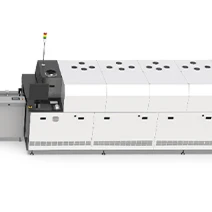
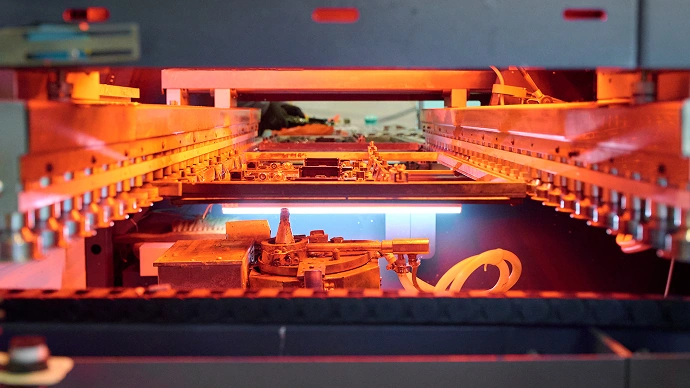
This process involves applying heat to a panel with electronic parts on it in order to melt the solder, thereby creating electrical connections between the terminals on the parts and the panel.

To heat panels, a process control chart known as a reflow profile is used to specify the heating temperatures and times during the reflow process; proper control of these parameters ensures highly reliable solder joints.
(We do not manufacture reflow ovens.)

Issues concerning SMT lines

Operators working on SMT lines are responsible for performing multiple tasks and must possess a high level of skill. As a result, production sites depend heavily on individuals, which makes it easy for variations in work times and quality to occur. This can sometimes lead to production line stops. Consequently, it is not easy to manage the production floor so that the operating times are maintained in accordance with the production schedule.

  • Delays relative to the expected work time
  • Impacts on production resulting from operator errors
  • Lack of experience in complex production processes
  • Biases and gaps in information required for production

FUJI Smart Factory

Manufacturing sites are all unique, and they have different ways of production that involve a variety of issues. This aims to solve these issues, which in turn improves factory productivity and flexibility as well as maximizes the QCD performance of manufacturing.
FUJI Smart Factory collaborates with domestic and international equipment manufacturers to provide smart lines with SMT processes managed primarily through the FUJI integrated production system, Nexim, in which equipment within the line is linked to one another. By linking all the equipment from these FUJI Smart Factory members, each machine automatically performs the actions necessary to maintain production quality, enabling comprehensive information management and visualization across the entire line.

Maximize production with a small number of people
  • Freeing operators from being tethered to the line side through automation of changeover and supply work
  • The offline workload is reduced by utilizing automatic verification and work guidance
Maximize production with existing equipment and personnel
  • Reduce the time spent performing tasks at the equipment through equipment links and autonomous control.
  • The offline workload is reduced by utilizing automatic verification and work guidance